 Skip to content


When shopping for a wheel loader for construction, quarry, farm, warehouse or municipal works, one core question always comes up: should you buy a diesel loader or an electric loader?
Both types can load, scoop and transport sand, gravel, soil and bulk materials, but they differ greatly in power supply, running cost, noise, emission and suitable working environments. This guide breaks down all key factors so you can select the loader that matches your site condition and budget.
1. What Is a Diesel Loader?
A diesel loader (diesel wheel loader /diesel front end loader) is powered by a diesel combustion engine. It has been the mainstream construction loader for decades, widely trusted for strong continuous power and flexible mobility without relying on charging piles.

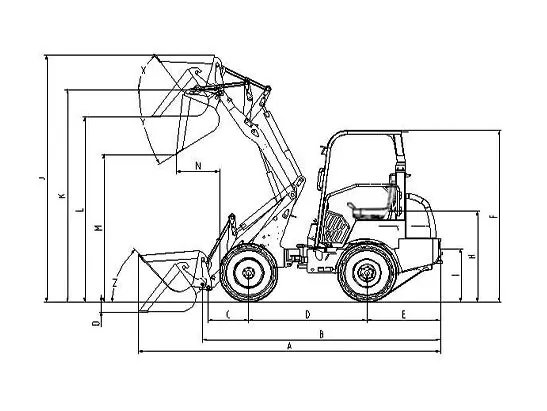
Pros of Diesel Loaders
- Stable high power and strong breakout force, fit for heavy-duty continuous work
- No charging limitation; refuel only takes a few minutes
- Suitable for remote sites, mines, gravel yards with no stable power grid
- Mature supply of spare parts, easy local maintenance worldwide
- Adapt to extreme low temperature and dusty outdoor conditions
Cons of Diesel Loaders
- Diesel fuel cost keeps fluctuating; high hourly running expense
- Engine oil, filter, AdBlue and exhaust aftertreatment bring regular maintenance work
- High noise and tailpipe emissions (NOx, particulate matter), not allowed for indoor or low-emission zones
- Higher vibration during operation
2. What Is an Electric Loader?
An electric loader, also called electric wheel loader, runs on lithium battery and electric motor instead of diesel engine. It is a new energy construction machine rising fast for carbon-neutral and urban projects.

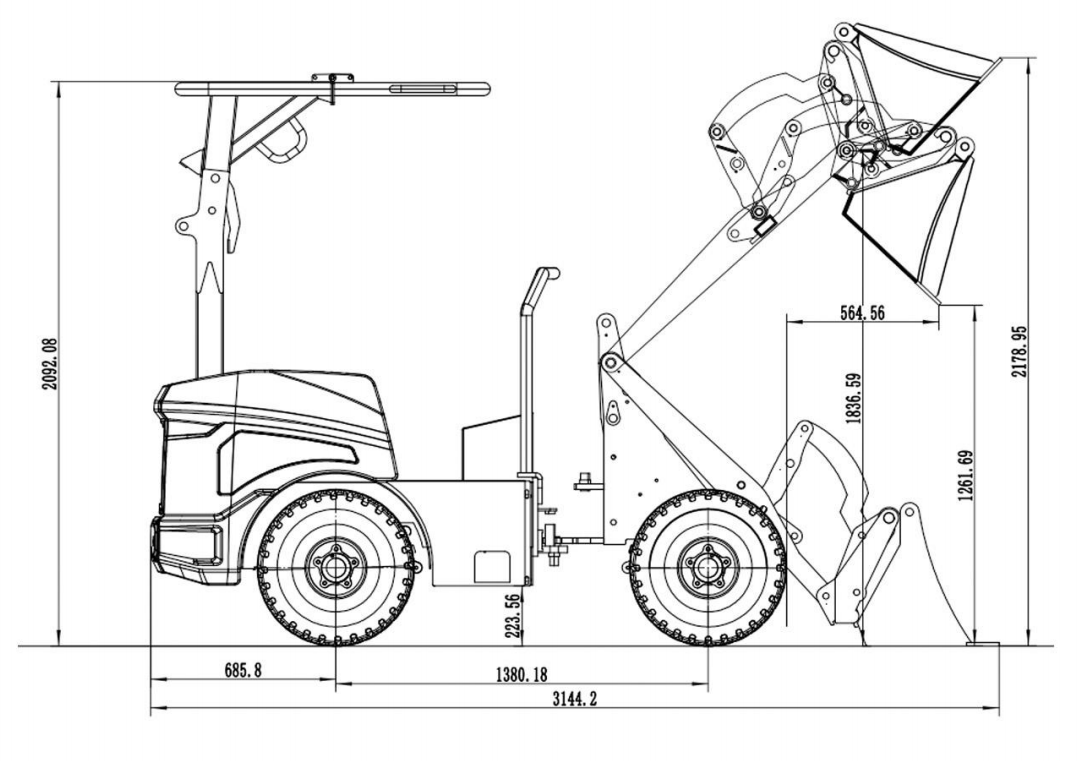
Pros of Electric Loaders
- Zero tailpipe emission, compliant with city environmental regulations; can work indoors, underground tunnels, livestock farms
- Super low noise, friendly for residential areas and night works
- Much lower energy cost: electricity price is far cheaper than diesel in most regions
- Fewer wearing engine parts, less oil change work → lower long-term maintenance cost
- Smooth torque output, easy operation for new operators
Cons of Electric Loaders
- Limited working hours per charge; needs charging infrastructure
- Battery performance drops in extremely cold weather
- Long charging downtime if you do not prepare spare battery packs
3. Core Comparison Table: Diesel Loader VS Electric Loader
| Comparison Item | Diesel Loader | Electric Loader |
|---|---|---|
| Emission | Tailpipe exhaust, need emission certification | Zero tailpipe emission |
| Noise Level | High | Low |
| Energy Cost | High (diesel fuel) | Low (electricity) |
| Maintenance | High (engine, oil, filter, exhaust system) | Low (motor & battery only) |
| Continuous Working | Long hours, fast refuel | Limited by battery capacity |
| Working Place | Outdoor, remote quarry, mine, no power supply | Indoor, warehouse, urban, low-emission zone |
4. How to Decide: When to Choose Diesel Loader?
Pick a diesel loader if any of these match your jobsite: ✅ You work at remote mines, quarries, rural yards with no stable power supply ✅ You run multi-shift nonstop heavy loading work every day ✅ Your site has no condition to install charging piles ✅ You often work in very cold outdoor areas without battery heating support ✅ You prioritize low upfront budget and worldwide easy spare parts service
5. When to Choose Electric Loader?
An electric loader is your better option when: ✅ You work indoors, in warehouse, tunnel, livestock farm or city downtown with strict emission rules ✅ You only run intermittent 4–6 hour shifts per day ✅ You have stable power supply and can arrange charging during off-work time ✅ You need low noise operation near residential areas ✅ You want to cut long-term running cost and meet carbon reduction requirements
6. Frequently Asked Questions
Q1: Is an electric loader as powerful as a diesel loader?
A: Modern electric wheel loaders can deliver strong instant torque. For medium and light loading tasks, electric models perform equally well. For super heavy continuous mining workload, large diesel loaders still hold advantages.
Q2: Can electric loaders work outdoors in winter?
A: Yes, but low temperature will reduce battery runtime. Choose models with battery thermal management system for cold regions.
Q3: Which one has better total cost of ownership (TCO)?
A: Electric loaders usually win TCO for long-term use (3–5 years) if you have stable electricity. Diesel loaders are more economical for short-term rental or sites without power access.
Final Verdict
There is no universal “better” loader between diesel and electric.
If your top priorities are mobility and the ability to perform intensive, continuous work—especially in locations without access to the power grid—then a diesel loader is a reliable choice. Alternatively, if you place greater importance on emission control, low noise levels, and reduced daily operating costs, or if you need to work indoors or in urban environments, an electric loader will deliver greater value.
If you are still unsure which model best suits your needs, please contact our team and provide details regarding your expected operating hours, working conditions, and load requirements.
We will recommend the suitable wheel loader solution for you.
(The loaders compared in this article are LANDWARD W1160 compact diesel wheel loader and LANDWARD 606E electric wheel loader.)